The government of India, as part of order №40–3/2020-DM-I (A), issued as part of the consolidated revised guidelines by ministry of home affairs, made it mandatory for all employers, who resume functioning post COVID-19 lockdown in the country, to provide medical insurance to their employees.
Why health insurance is not mandatory in India?
Health Insurance in India Most of the population in India depends upon household income or savings in order to meet their healthcare requirements. The main reason why people in India do not buy a mediclaim policy is that it offers no maturity benefit, but only coverage in the event of an illness.
What happens if a company doesn’t offer benefits?
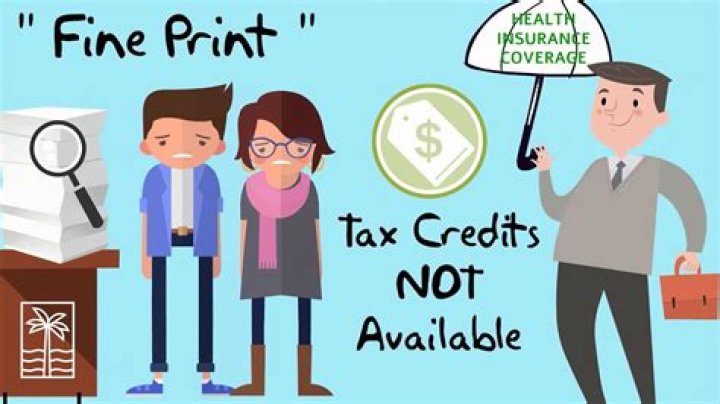
If your employer doesn’t offer you insurance coverage, you can fill out an application through the Marketplace. You’ll find out if you qualify for: A health insurance plan with savings on your monthly premiums and out-of-pocket costs based on your household size and income.
Can you decline employer insurance?
2. Know the timeline. Employees can only decline employer-sponsored insurance during an open enrollment period, which they may be in the middle of if they just started at your company.
How does your employer pay for your health insurance?
An employer-sponsored health plan helps pay for your health costs. Federal law demands that large employers must pay at least half of health plan premiums. Businesses usually exceed that percentage. In recent years, workplace health insurance has seen modest annual premium increases.
Which is cheaper to have employer or individual health insurance?
Otherwise, individual insurance will likely cost you more than a workplace plan. Now, we’ve gone over how employer-sponsored health plans are usually cheaper than individual insurance. However, workplace plans are still more expensive than Medicaid or Medicare.
What are the perks of having health insurance at work?
Plus, workplace health insurance plans may offer other perks, such as employers contributing to health care savings accounts, which you can tap into to pay for care. On the other hand, employer-sponsored health insurance limits your health plan options.