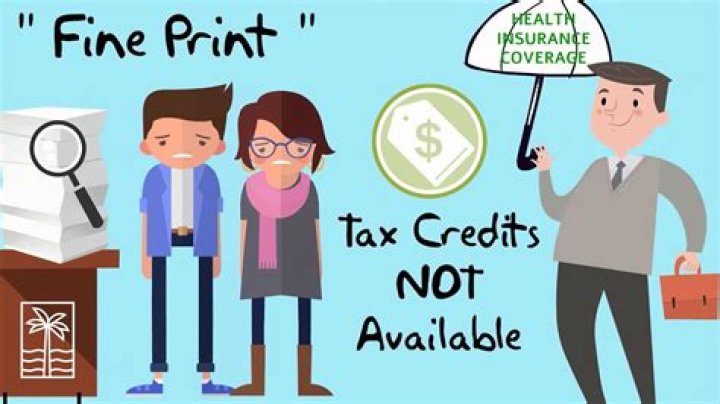
Most self-employed taxpayers can deduct health insurance premiums, including age-based premiums for long-term care coverage. If you are self-employed, you may be eligible to deduct premiums that you pay for medical, dental and qualifying long-term care insurance coverage for yourself, your spouse and your dependents.
What is a deductible health insurance for a self-employed taxpayer?
In a nutshell, the self-employed health insurance deduction allows eligible self-employed folks to deduct up to 100% of health, dental, and long-term care insurance premiums for themselves and for their spouses, dependents, and non-dependent children under age 27.
What Is Self Employment tax 2020?
For the 2020 tax year, the self-employment tax rate is 15.3%. Social Security represents 12.4% of this tax and Medicare represents 2.9% of it. After reaching a certain income threshold, $137,700 for 2020, you won’t have to pay Social Security taxes above that amount.
Can a small business deduct health insurance premiums?
Like larger companies, small businesses are typically able to deduct some of their health insurance-related expenses from their federal business taxes. Expenses that might qualify for these deductions may include: Monthly premiums. Contributions to an HSA.
Is the health insurance deduction available to self employed?
The health insurance deduction for self-employed persons is provided for in Internal Revenue Code section 162 (l). “If you are self-employed, the IRS wants you to know about a tax deduction generally available to people who are self-employed.
Can you deduct long term care insurance for self employed?
A self-employed taxpayer may be able to deduct the amounts paid for medical and dental insurance, as well as the premiums for qualified long-term care insurance. The deduction may be taken for the insurance premiums covering the taxpayer, spouse, dependents, and children under age 27 at the end of 2018, even if the child was not a dependent.
Can a self employed person claim Medicare premiums?
You can be on Medicare and still claim those premiums under the Self-Employed Health Insurance Deduction. In fact, you an even claim your spouse’s premiums as well! And if you have Medicare Insurance covering under-27-year-old children their premiums are even deductible.
Can a spouse itemize for self employed health insurance?
Even if you or your spouse are eligible for group coverage via either one’s employer, you cannot take the deduction for self-employed health insurance; again, it would have to go on Schedule A if you itemize. It doesn’t matter if your spouse takes no part in your business, or vice versa, the only option you have is to itemize if possible.