In addition to state and local taxes, the labor and employment laws of the state where a remote employee is working may apply to the employment relationship.
Who are out of state employees who live in another state?
Employees who reside and work in a different state from the one where your business is located. Employees that are sent to work temporarily in another state (temporary work ranges from one day to several months, depending on the state.) Employees that live in one state but commute to your office in a neighboring state.
Do you need workers’comp policy for remote employees?
Employers should also be familiar with any state laws governing electronic signatures where the remote employee resides, or where the employer operates, that may apply. Do you need a workers’ comp policy that covers remote workers? The short answer is yes.
Do you need permission to move while working remotely?
I see no reason to suspect they would fire you for moving while working remotely. You need to inform them as it affects your tax situation- they need to withhold taxes for the state you’re working for. But it shouldn’t be an issue, remote from one place is the same as remote from another.
What should I know about remote work arrangements?
Any remote work arrangement should be carefully considered in advance, a written policy and understanding between the employer and employee should be put in place, and the particular laws of the remote work location should be examined and understood, ideally by experienced counsel. Loading… 2 bloggers like this.
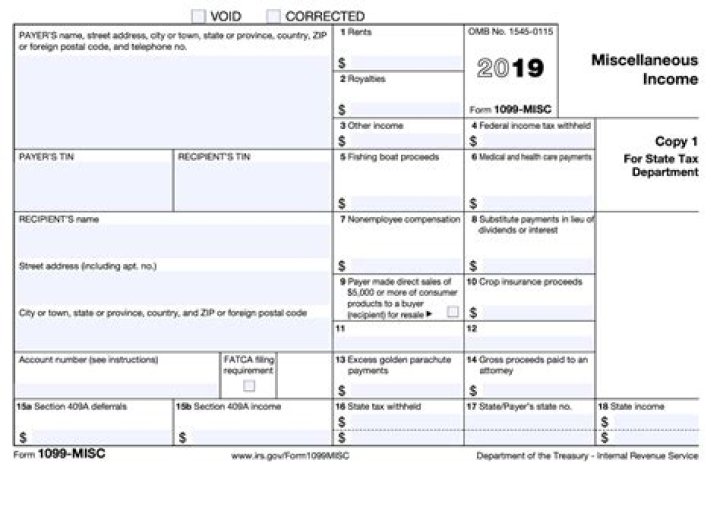
Is your remote worker an employee or independent contractor?
Finally, if you have a remote employee working in another state, your company may become subject to sales and use and/or income tax nexus within that state. Is Your Remote Worker an Employee or Independent Contractor?
Why do some people work in remote locations?
Many employees are working from remote locations in an effort to socially distance and stay safe. For some, this means working from home, and for others, this might mean working from the cabin. What happens when an employee’s remote workplace is across a provincial border? Does this have tax implications?