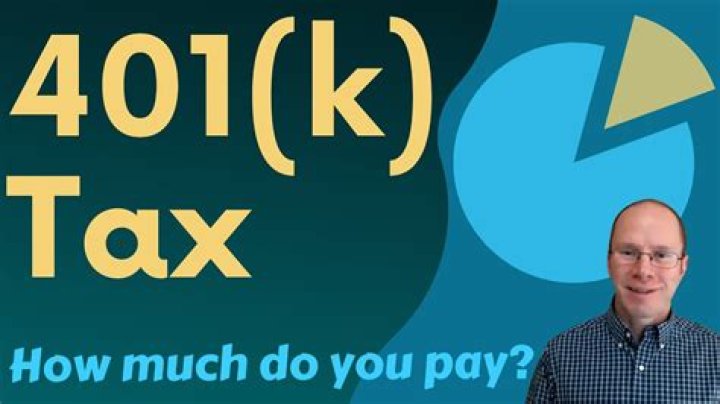
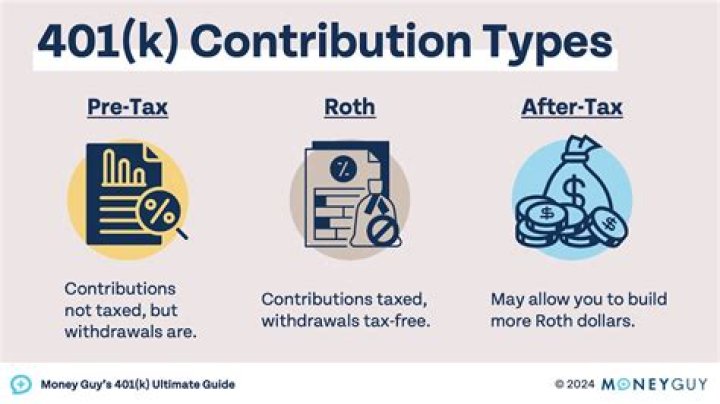
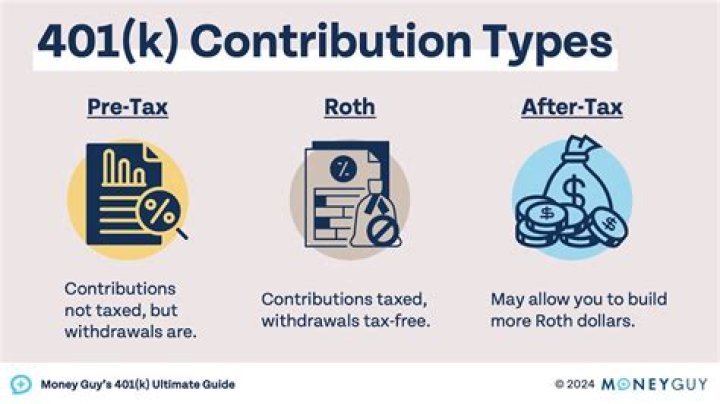
If you withdraw funds early from a 401(k), you will be charged a 10% penalty tax plus your income tax rate on the amount you withdraw. In short, if you wi...
Short answer: Yes, you can contribute to both a 401(k) and an IRA, but if your income exceeds the IRS limits, you might lose out on one of the tax benefit...
The limit on annual additions (the combination of all employer contributions and employee elective salary deferrals to all 403(b) accounts) generally is t...
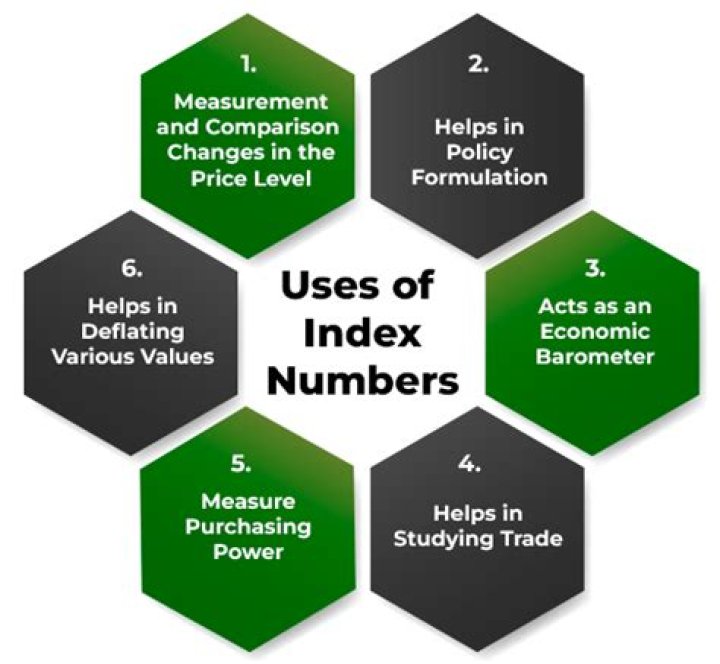
three types There are three types of index numbers which are generally used. They are price index, quantity index and value index. These index numbers can...
Both 401(k)s and IRAs have valuable tax benefits, and you can contribute to both at the same time. The main difference between 401(k)s and IRAs is that em...
The simplest and most direct way to check up on an old 401(k) plan is to contact the human resources department or the 401(k) administrator at the company...
A 401(k) is a retirement plan that employees can contribute to and employers may also make matching contributions. With a pension plan, employers fund and...
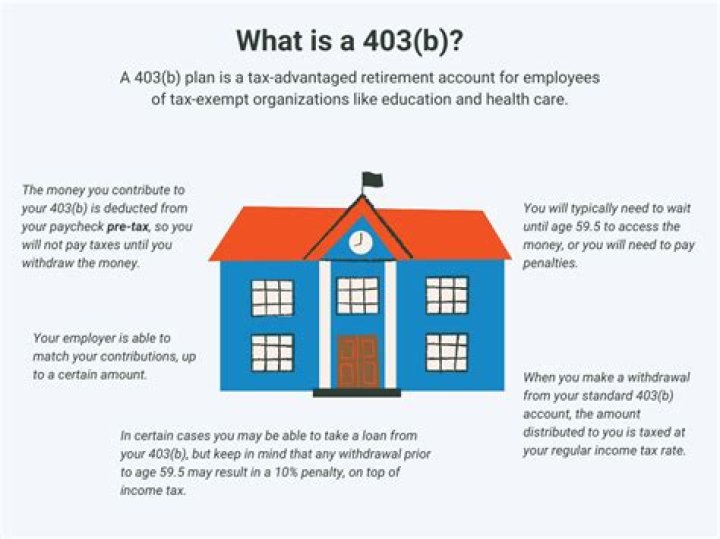
A 403(b) plan is a retirement plan established for the benefit of employees of public schools and certain tax-exempt organizations. These plans accept pay...
You can take withdrawals from your 401(k) without penalty if you meet the IRS definition of total disability. To qualify, you can’t engage in any substant...